Salvador beyond Carnaval: a weekend in Bahia's capital
A two-day Salvador plan covering Pelourinho, the Lacerda Elevator, Bonfim and Barra, with the neighborhoods to stay in and how to stay safe at night.
Salvador além do Carnaval: um fim de semana na Bahia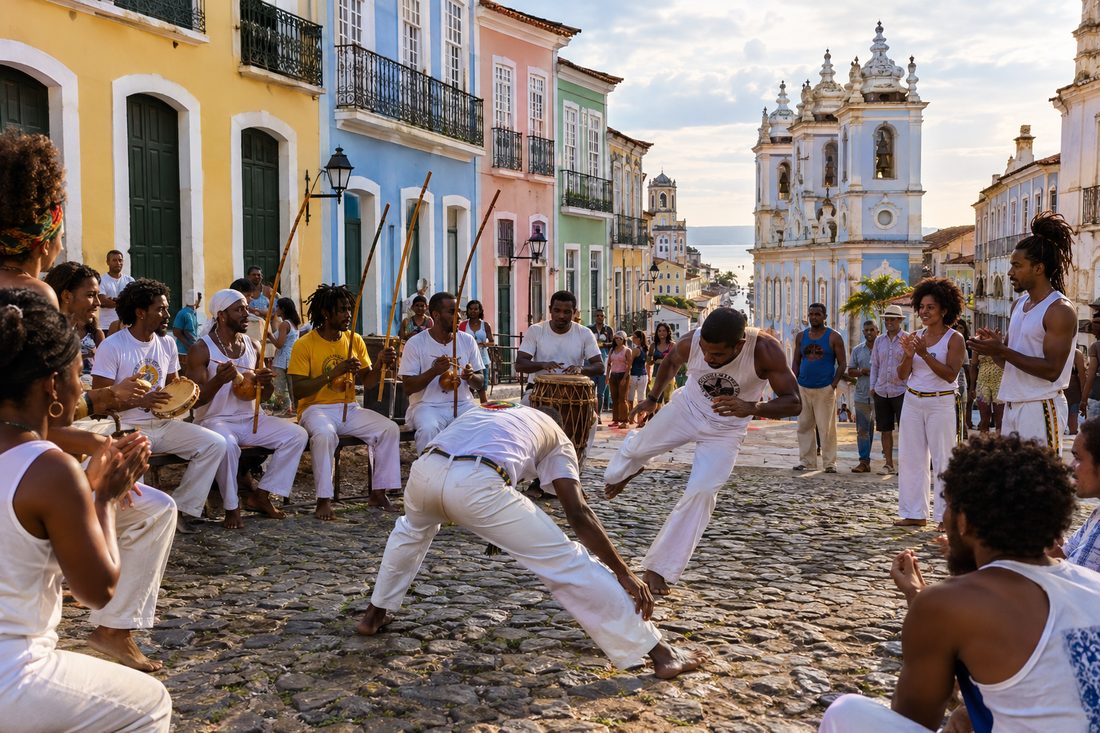
This guide contains affiliate links. If you buy through them, BrazilTube may earn a small commission at no extra cost to you. How we handle affiliate links.
Salvador was Brazil's first capital, and it is still the heart of Afro-Brazilian culture: capoeira in the squares, drums in the streets and acarajé frying in palm oil on every corner. Most visitors know it for Carnaval, but a regular weekend shows you a city that is easier to explore, cheaper and every bit as musical. This is the plan we'd follow.
Where to stay
Salvador rewards careful neighborhood choice more than most Brazilian cities. The safety site Brazil Safe Travel recommends basing yourself in Barra, Ondina, Corredor da Vitória or Rio Vermelho, and treating Pelourinho as a daytime and organized-evening area rather than a place to wander at midnight.
- Barra is our first pick: a beach neighborhood with a lighthouse, the calm water of Porto da Barra and plenty of hotels. It is also the start of Carnaval's beachfront route.
- Rio Vermelho is the bohemian choice, with the best bar and restaurant scene and the most famous acarajé stalls.
- Santo Antônio Além do Carmo, just beyond Pelourinho, has small boutique guesthouses in restored colonial houses. Use ride apps after dark.
Day 1: the historic center
Morning: Pelourinho
Start early in Pelourinho, before the heat and the tour groups. The old upper town of cobbled slopes, baroque churches and pastel houses is a UNESCO World Heritage Site, as Wisermap notes. Walk from the Terreiro de Jesus square down the Largo do Pelourinho, and step inside the São Francisco Church and Convent, whose gilded interior is one of the most famous in Brazil.
Midday: the Lacerda Elevator and Mercado Modelo
The Art Deco Lacerda Elevator links the upper town with the lower town and the Mercado Modelo craft market. The ride costs R$1 since the lift reopened in 2025, and SalvadorCard holders ride free, according to Seabound Journeys, which cites local press. Bring small change. At the bottom, the Mercado Modelo fills a 19th-century customs house with lace, berimbaus, cachaça and the colored Bonfim ribbons. Capoeira groups often perform outside, and the upstairs restaurants overlook the bay.
Evening: Tuesday is the night
If your weekend can stretch to a Tuesday, stay for the Terça da Bênção, the weekly Tuesday night of music around the São Francisco church and Largo Pedro Archanjo. Brazil Safe Travel calls it a tourist institution and entirely manageable. On other nights, book a show such as a folkloric dance performance, and take a ride app back to your hotel.
Day 2: Bonfim, Barra and Rio Vermelho
Morning: Igreja do Bonfim
Head north along the bay to the hilltop Church of Nosso Senhor do Bonfim, Salvador's most beloved church, described by Traveler Center as one of the city's essential sights. Tie a fita, the colored ribbon, to the railings and make three wishes. Tradition says they come true when the ribbon falls off on its own.
Afternoon: Farol da Barra
Spend the afternoon at the Farol da Barra, the black-and-white lighthouse on the Santo Antônio fort, where the Bay of All Saints meets the Atlantic. It houses a nautical museum, and the beach below, Porto da Barra, has some of the calmest swimming water in the city. Stay for sunset; locals applaud when the sun goes down.
Night: acarajé in Rio Vermelho
End in Rio Vermelho, which Wisermap describes as the neighborhood that comes alive at night. Order acarajé, a fritter of black-eyed peas fried in dendê palm oil and split open with shrimp, vatapá and pepper sauce. Ask for it "frio" if you don't want the hot pepper.
Staying safe
The U.S. government rates Brazil as a whole at Level 2, "exercise increased caution", with no separate higher rating for Bahia, according to Brazil Safe Travel. Most violent crime is concentrated in outlying districts far from tourist areas. Common sense goes a long way:
- Use Uber or 99 after dark, door to door.
- Keep your phone out of sight on quiet streets, especially in Pelourinho at night.
- Carry only the cash and card you need for the day.
- At the beach, don't leave anything unattended. A small waterproof pouch for your phone and a card solves most problems: see waterproof phone pouches on Amazon.
When to go
Salvador is warm all year. The driest, sunniest months run roughly from September to March. Carnaval in 2027 falls in early February. If you'd rather see the city without the crowds, aim for the months around it. Our Carnival 2027 guide has the exact dates.
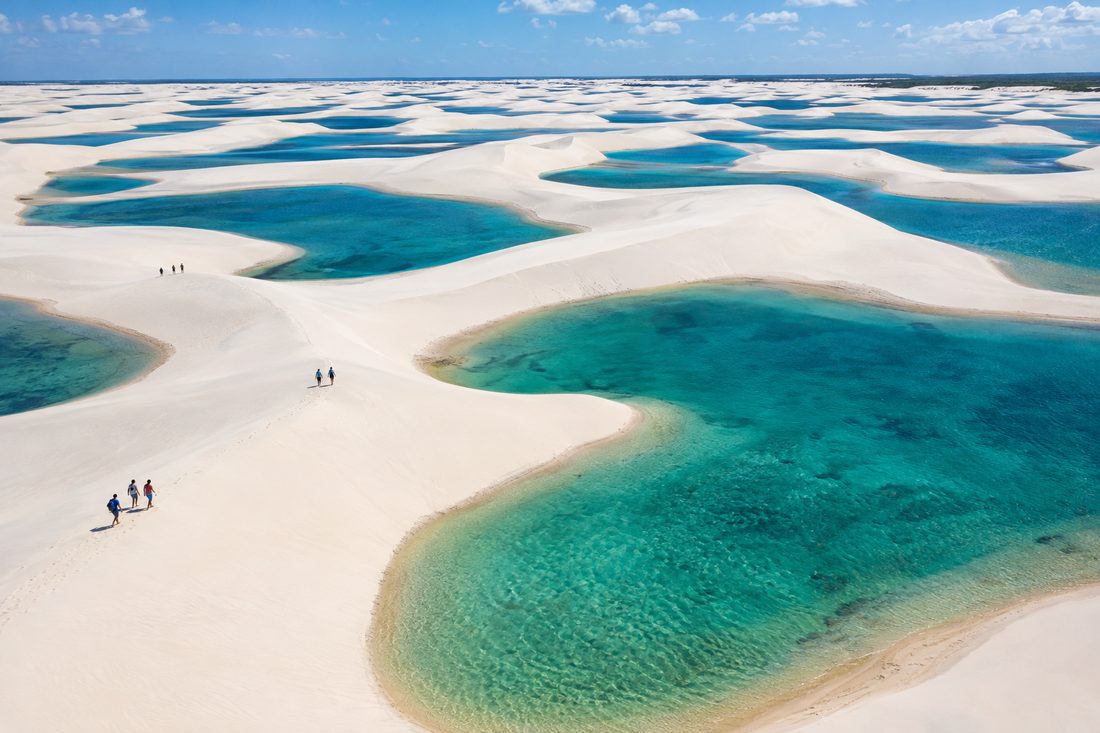
For a longer trip in the Northeast, Salvador combines well with the dunes of Lençóis Maranhenses, a short flight north.